
What are PTFE Pipes PTFE (Polytetrafluoroethylene) pipes are widely recognized for their exceptional chemical resistance, high-temperature tolerance, and excellent electrical insulation. These properties make them ideal for a variety of demanding industrial applications. PTFE-lined pipes are particularly effective in handling corrosive substances, extreme temperatures, and high-pressure environments. Their non-stick surface and low friction coefficient further…
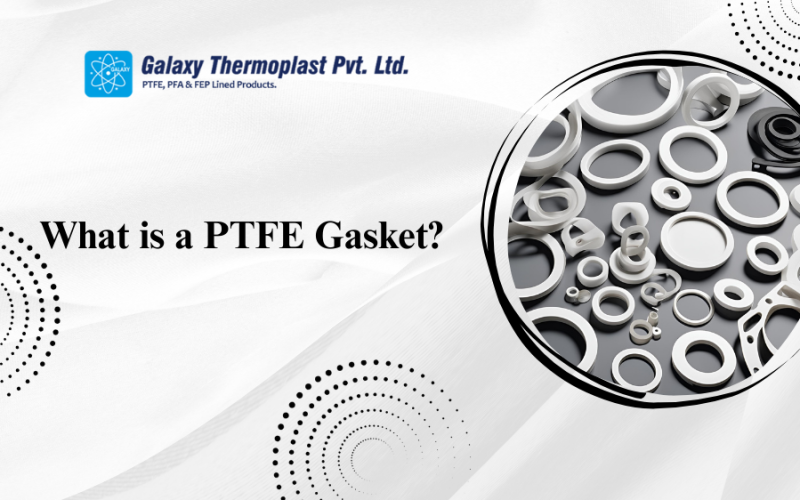
What is a PTFE Gasket?
Introduction to PTFE Gasket A PTFE gasket is a sealing component made from Polytetrafluoroethylene (PTFE), a synthetic fluoropolymer known for its unique properties. PTFE is commonly used in various industries to create reliable, durable, and high-performance seals. PTFE Ring Gasket are non-reactive, flexible, durable, and heat-resistant, making them suitable for demanding applications. Key Features of…
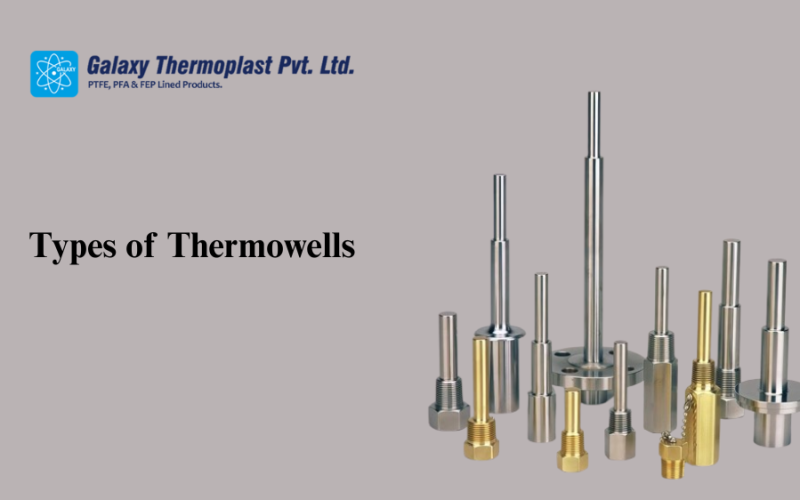
Understanding the Types of Thermowells
A thermowell is a protective tube used to house temperature sensors, providing a physical barrier between the sensor and the process environment. It plays a crucial role in protecting temperature sensors from harsh conditions such as high pressure, corrosive substances, and extreme temperatures. Industries like oil & gas, chemical processing, and HVAC rely on thermowells…

What is a Concentric Reducer?
A concentric reducer is a pipe fitting used in plumbing and piping systems. It helps connect two pipes of different sizes. PTFE Lined Concentric Reducer The main job of a concentric reducer is to reduce the diameter of the pipe in a smooth, controlled way. This ensures the flow of liquids or gases continues efficiently…

A Comprehensive Guide to the Types of PTFE Lined Fittings
PTFE (Polytetrafluoroethylene) lined fittings are essential components in industries that handle corrosive or high-temperature fluids. These fittings are designed to enhance the durability and performance of piping systems, ensuring safe and efficient transportation of liquids and gases. At Galaxy Thermoplast Pvt. Ltd., we specialize in manufacturing high-quality PTFE lined fittings, catering to a wide range of…

Expansion Bellows in Piping: A Comprehensive Guide
Piping systems are used in various industrial processes and are capable of handling the pressures and temperature variations that occur during operation. The flexible components of these bellows are designed to absorb thermal expansion, mechanical movements and vibrations, ensuring the longevity and stability of the piping system. In this blog, we’ll dive deep into what…

FEP vs. PTFE Chemical Resistance
When choosing materials for industrial applications, especially for those that would come in direct contact with chemicals, factors such as the chemical resistance of FEP and PTFE prove to be essential. FEP and PTFE belong to the fluoropolymers family, which is known for its chemical inertness. FEP tubing vs PTFE. However, these two polymers can…

PTFE vs. PFA Lining: Explore the Differences
Polytetrafluoroethylene (PTFE) and perfluoroalkoxy (PFA) are two of the most popular chemical-resistant materials for piping and tank lining applications and are frequently selected for comparison. Both materials are highly resistant to chemicals, high temperatures and wear and are, therefore, appropriate to be used for several industrial purposes. However, what is the performance difference between PTFE…

T Strainer vs. Y Strainer: What’s the Difference & Which Should You Choose?
In industrial and commercial piping systems, the fluid flow must be cleaned of debris and other unwanted substances to allow the system to function properly. This is where filters come into play, and of the many types, two are the T and Y strainers. Y Strainer: Design, Features, and Applications As the name suggests, Y…

Comparing Traditional Manhole Covers with FEP/PFA Lined Options: What’s the Difference?
Manhole covers are essential to the urban environment and are intended to allow access to underground utilities while being safe and strong. As the modernisation of materials and technology improves, FEP (Fluorinated Ethylene Propylene) and PFA (Perfluoroalkoxy) lined manhole covers are emerging as better options than the normal ones. 1. Material Composition and Durability 2….
