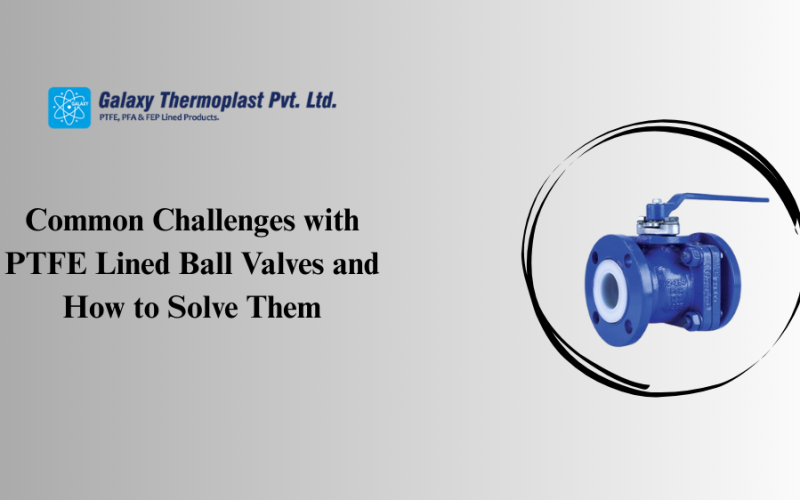
PTFE lined ball valves are vital in industries that handle corrosive liquids and gases. These valves feature a lining made from PTFE (Polytetrafluoroethylene), a material well-known for its chemical resistance and smooth surface. PTFE lined ball valves allow safe, and reliable control of flow in systems exposed to harsh chemicals. They prevent leaks, resist corrosion,…
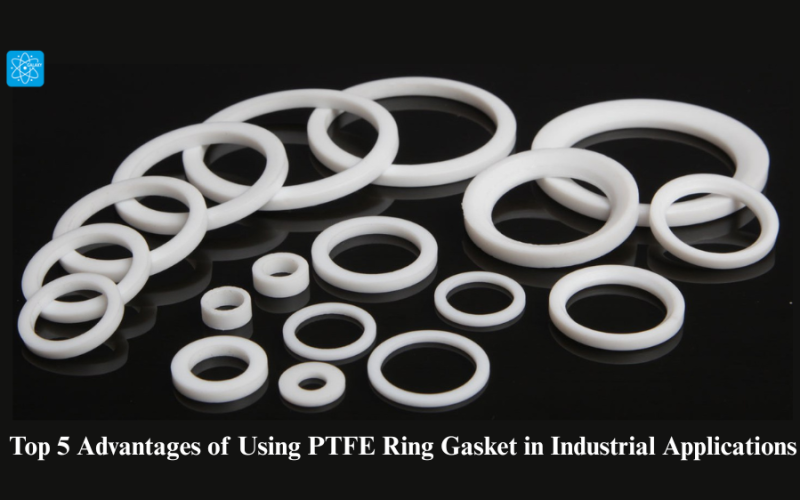
Top 5 Advantages of Using PTFE Ring Gasket in Industrial Applications
In industrial operations, safety, reliability, and efficiency heavily rely on strong sealing solutions. A PTFE ring gasket is one of the most trusted options available today. These gaskets form secure seals between pipes, valves and other machinery parts, preventing leaks and protecting equipment from wear and damage. Without gaskets, sectors such as oil, gas, chemicals,…
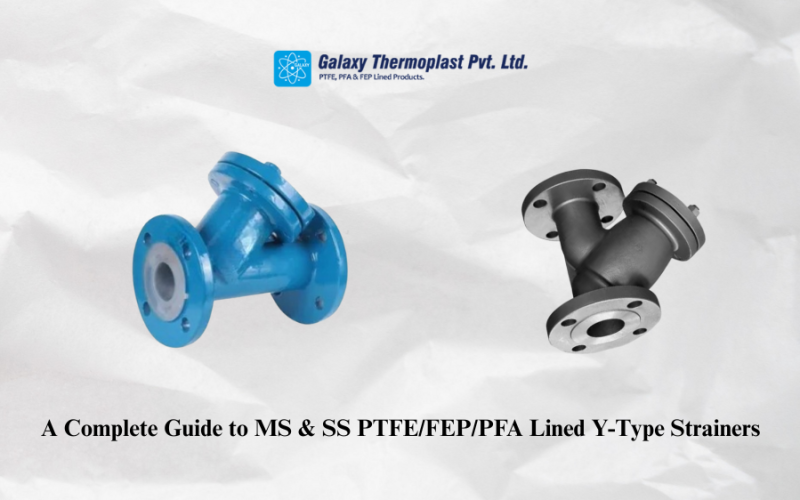
A Complete Guide to MS and SS PTFE/FEP/PFA Lined Y-Type Strainers
Type strainer manufacturers, PFA lined t strainer, and PTFE lined strainer are essential components in industrial filtration systems. These strainers help in removing solids from pipelines, protecting pumps, valves, and equipment from damage. In this guide, we’ll explore the materials used, types of linings, benefits, and tips on how to choose and maintain the right…
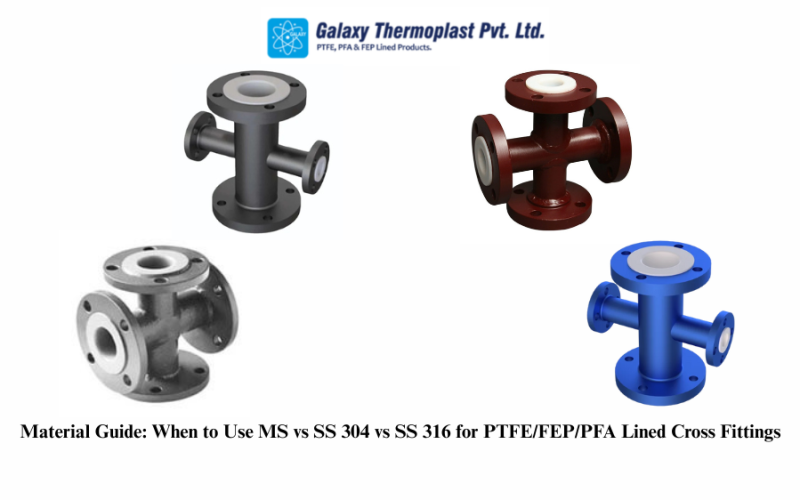
Material Guide: When to Use MS vs SS 304 vs SS 316 for PTFE/FEP/PFA Lined Cross Fittings
PTFE/FEP/PFA-lined cross fittings are important parts used in pipelines to connect four pipes at 90-degree angles. These fittings are lined with special materials like PTFE, FEP, or PFA to protect the base metal from strong chemicals and high temperatures. Choosing the right base material, such as MS, SS 304, or SS 316 is very important….

What is a Lined Spindle Used For? An Expert Guide
In many industrial systems, especially those dealing with corrosive chemicals, high pressure, or reactive substances, traditional metal parts may not be enough. One such critical component that requires extra protection is the lined spindle. But what exactly is a lined spindle used for, and why is it preferred in many industries today? A PFA LINED…
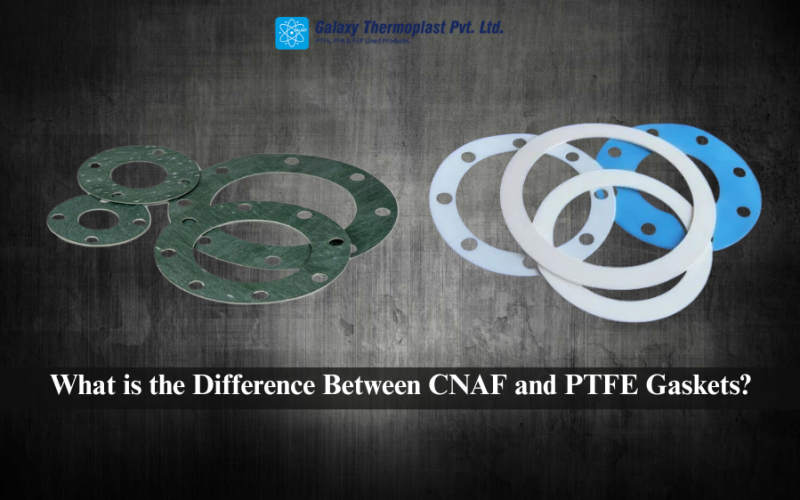
What is the Difference Between CNAF and PTFE Gaskets?
When it comes to sealing two surfaces in pipelines or machinery, gaskets play an important role. They help prevent leaks and maintain pressure. Two commonly used types are the CNAF Gasket and the PTFE Gasket. Even though both are used for sealing, they are made from different materials and serve different purposes. Let’s understand their…
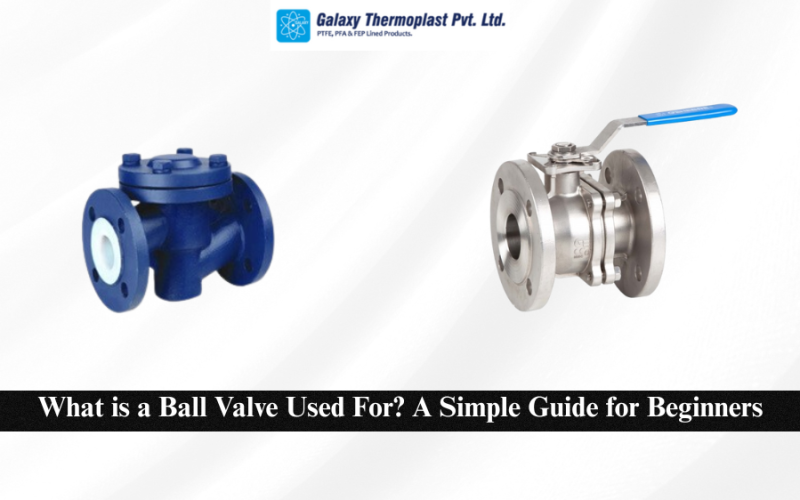
What is a Ball Valve Used For? A Simple Guide for Beginners
Valves are important parts of many piping systems. They help control the flow of liquids or gases by opening, closing, or partially blocking passageways. Among the many types of valves, ball valves are one of the most commonly used. In this blog, we will explain what a ball valve is, what it is used for,…

What is a 45 Degree Elbow? A Complete Guide for Beginner’s
A 45 degree elbow is a pipe fitting that helps to change the direction of the pipe flow by 45 degrees. It is commonly used in plumbing, chemical, and industrial systems where smooth direction change is needed without much resistance. When the elbow is coated or lined with protective materials like PTFE, FEP, or PFA,…
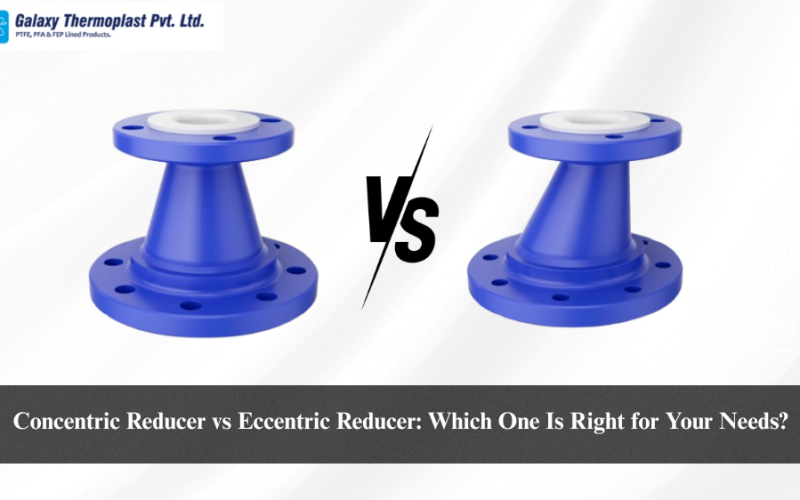
Concentric Reducer vs Eccentric Reducer: Which One Is Right for Your Needs?
In any piping system, choosing the right type of reducer is important for maintaining smooth flow and avoiding problems like air buildup or turbulence. Two of the most common types of reducers are the Concentric Reducer and the Eccentric Reducer. Both have specific uses and benefits, depending on the layout and function of the piping…

PFA Valve Uses: Key Benefits and Industrial Applications
PFA (Perfluoroalkoxy) valves are widely used in industries that require high chemical resistance and temperature tolerance. PFA is a type of fluoropolymer similar to PTFE (Polytetrafluoroethylene) but offers better processability and flexibility in applications like molding and extrusion. PFA valves are critical components in industries like chemical processing, pharmaceuticals, oil and gas, and food processing…
